

Bamboo Socks Benefits: 7 Reasons to Switch (and 2 Honest Downsides)
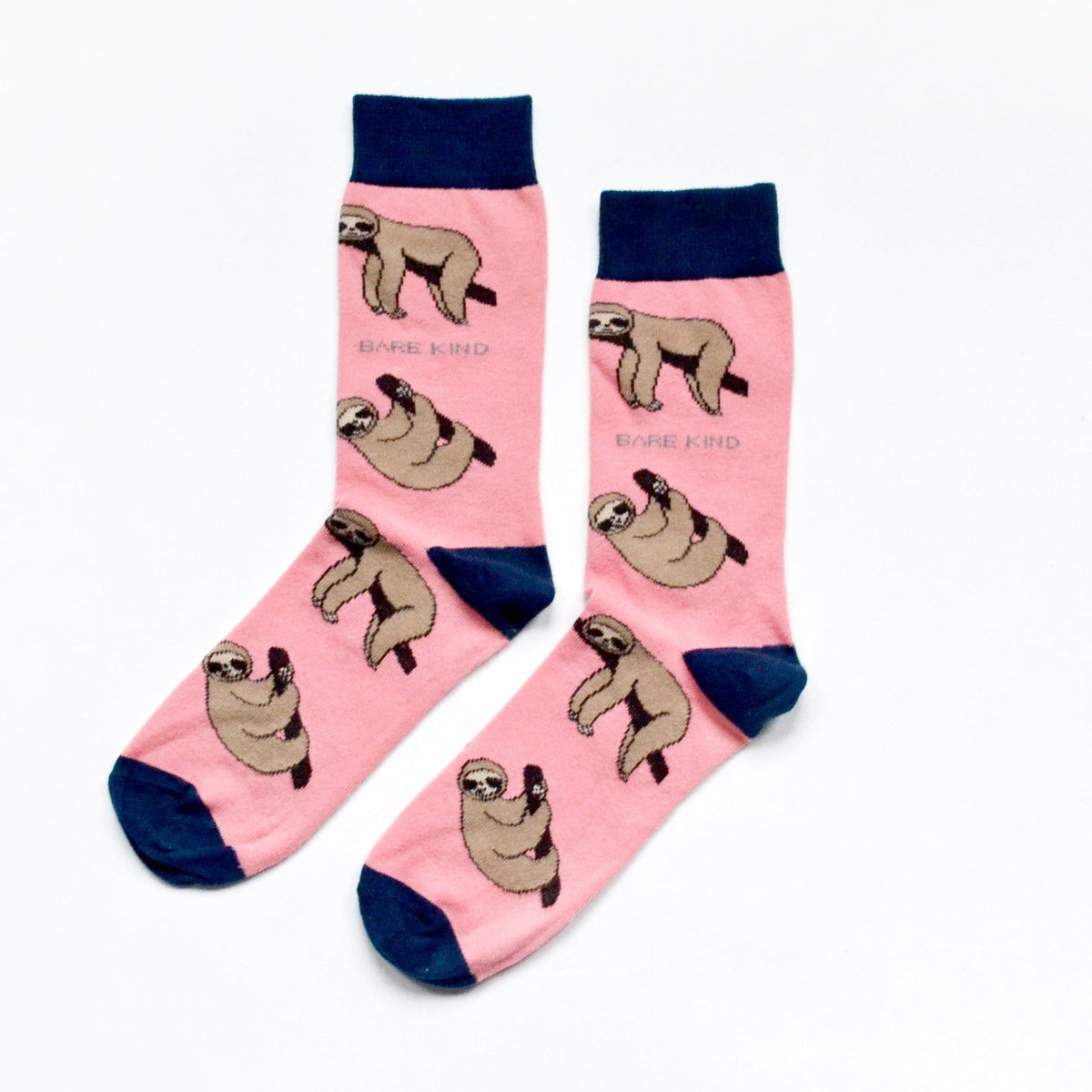
Bamboo socks are soft, breathable and good at handling sweat, which makes them a strong everyday choice for Indian weather. They also have a couple of trade-offs worth knowing before you switch. Here are seven real benefits, two honest downsides, and how they compare with cotton.
What are bamboo socks made of?
Most bamboo socks are not woven straight from bamboo stalks. Bamboo pulp is processed into a soft yarn called bamboo viscose (sometimes labelled bamboo rayon). That yarn is then blended with a little nylon and elastane for strength and stretch.
A typical Bare Kind pair, such as our Blue Puffin socks, is 65% bamboo viscose, 30% polyamide and 5% elastane. The bamboo gives the softness, the polyamide adds strength, and the elastane helps the sock keep its shape. Want the full plant-to-sock story? Read What is bamboo fabric?

Shop the Blue Puffin Bamboo Socks
7 benefits of bamboo socks
1. They feel very soft
Bamboo viscose has smooth, round fibres, so it feels silky against the skin. Our UK team sums it up well: "Once you wrap bamboo socks on your feet, ordinary socks suddenly feel far less appealing." (Bare Kind UK)
2. They are breathable
The fabric lets air move through it, which helps feet stay cooler. That matters on long commutes and in closed office shoes through an Indian summer.
3. They handle moisture well
Bamboo viscose absorbs moisture readily and pulls it away from the skin. Feet feel less clammy through the day than in many basic socks.
4. They help keep odour down
Drier feet mean less of the warm, damp environment that leads to smell. It isn't magic, and regular washing still matters, but many people notice the difference by evening.
5. They are gentle on sensitive skin
The smooth fibre is less scratchy than some wool and rough cotton blends. Combined with a seamless toe, there is less rubbing across the foot.
6. They keep their shape
A good bamboo blend with polyamide and elastane springs back after washing. Our socks use a contoured fit and cupped heel so they don't slide down or bunch up.
7. Bamboo grows fast
Bamboo is one of the fastest-growing plants in the world and regrows after harvesting without replanting. That makes it a more renewable starting point than many fibres.
2 honest downsides
1. "Bamboo" still involves processing
Turning bamboo into soft yarn is a chemical process, just like other viscose fabrics. That is why we say "bamboo viscose" rather than pretending the sock is raw bamboo. We choose OEKO-TEX certified, SEDEX-audited manufacturing partners and plastic-free packaging to keep the rest of the journey as responsible as we can.
2. They need a little care, and cost more than basic cotton
Bamboo socks dry a bit slower than fully synthetic sports socks and last longest with gentle washing. A good pair also costs more than a multipack of plain cotton socks. Our pairs are ₹749–₹899, and they are built to be worn for a long time rather than replaced every few months.
Bamboo vs cotton socks
| Bamboo viscose blend | Basic cotton | |
|---|---|---|
| Feel | Very soft and smooth | Soft, can feel rougher over time |
| Breathability | High | Good |
| When feet sweat | Pulls moisture away from skin | Holds moisture and feels damp |
| Odour by evening | Usually less | Usually more |
| Care | Cool wash, air dry | Easy, tolerates hot washes |
| Price | Higher | Lower |
For a deeper comparison, including which works better in Indian weather, read Bamboo vs cotton socks.

Who should wear bamboo socks?
- Anyone in closed shoes for long hours at work, college or while travelling
- People whose feet get warm or sweaty in summer
- Anyone with skin that gets irritated by rough fabrics
- Kids who run around all day: see our kids collection
What makes Bare Kind bamboo socks different
- Gorilla Tough, Koala Soft: soft on the skin but made to last through daily wear and washing.
- Seamless toe and a contoured fit that sits well on the foot.
- Certified and audited: OEKO-TEX certified, SEDEX-audited partners and 100% plastic-free packaging.
- A sock that gives back: 10% of profits from every pair go to a charity protecting the animal on the sock.

Shop the Black Panther Ribbed Bamboo Socks
How to care for bamboo socks
- Wash at 30°C or cold, inside out to protect the print.
- Skip bleach and fabric softener.
- Air dry flat or on a line; avoid tumble drying and ironing.
FAQs
What are bamboo socks made of?
Bamboo viscose yarn made from bamboo pulp, blended with nylon (polyamide) and elastane. Ours are 65% bamboo viscose, 30% polyamide and 5% elastane.
Are bamboo socks really made from bamboo?
Yes, the main fibre starts as bamboo. It is processed into viscose yarn, so the finished sock feels like a soft fabric rather than a plant.
Are bamboo socks good for sweaty feet?
They are a good choice. Bamboo viscose absorbs moisture and is breathable, so feet usually feel drier than in basic cotton. Change socks daily and let shoes air out too.
How long do bamboo socks last?
With cool washes and air drying, a quality blended pair lasts many months of regular wear. The polyamide in the blend adds strength at the heel and toe.
What size should I buy?
M fits UK/India shoe sizes 4–7 and L fits 7–11. See the sock size guide.
Are bamboo socks breathable?
Yes. Bamboo viscose is a breathable fibre that lets air move through the knit, so feet tend to feel cooler than in thick synthetic socks. That makes bamboo socks a practical choice for Indian summers, long commutes and days spent in closed office shoes. Bare Kind socks blend 65% bamboo with polyamide and elastane for strength and stretch.
Are bamboo socks warm?
Bamboo socks feel comfortable across seasons rather than very warm. The fibre is soft and holds a little warmth on cool mornings, but it is not as insulating as wool. For a North Indian winter, wear them inside closed shoes or layer them. For truly cold travel, a wool or thermal sock is the better choice.
Why do bamboo socks cost more than cotton socks?
Bamboo socks usually cost more because the yarn takes more processing than cotton, and quality pairs add details such as a seamless toe and a shaped heel. Bare Kind bamboo socks cost ₹749–₹899 a pair in India and come with a reusable dustbag. Many buyers find a good pair outlasts several cheap cotton ones.
How do I wash bamboo socks?
Wash bamboo socks at 30°C or in cold water, ideally inside out to protect the print. Skip bleach, ironing and the tumble dryer, and dry them flat in the air. Gentle washing keeps the fibres soft and helps the elastic hold its shape, so the socks fit well for longer.
Ready to try a pair? Start with our best sellers, or shop socks for men, socks for women and the kids collection.
